
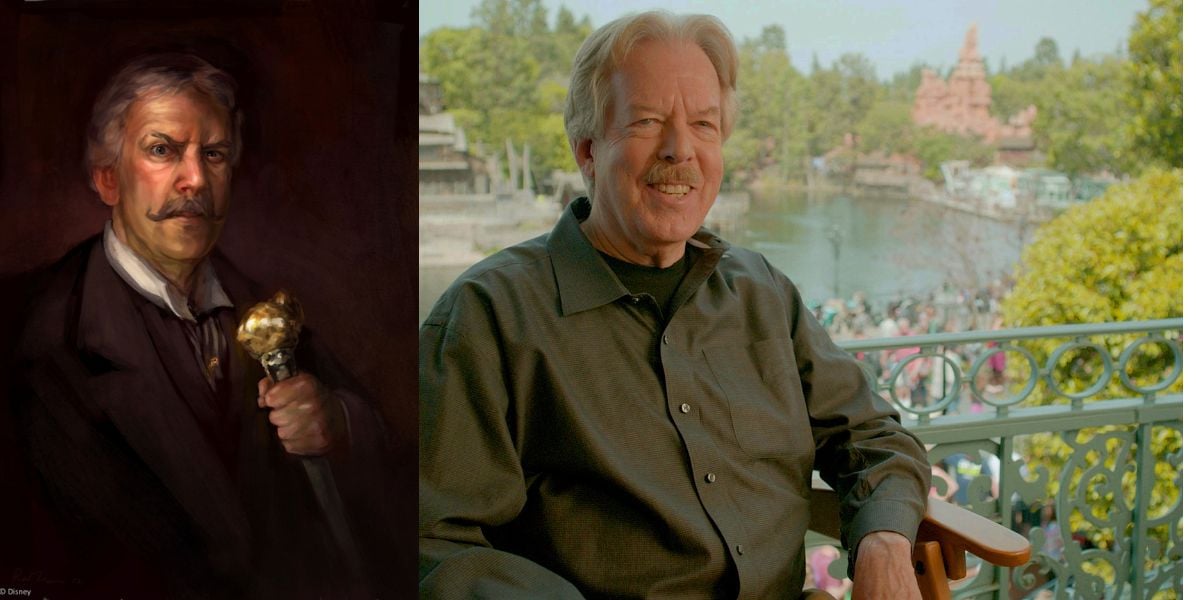
On April 4, 2026, the Disney community gathered in San Francisco for a highly anticipated event hosted by the Walt Disney Family Museum. The presentation was officially billed as a celebration of the 31st anniversary of the Indiana Jones Adventure—the attraction that famously introduced “Enhanced Motion Vehicle” (EMV) technology to Disneyland and remains a masterclass in immersive design.
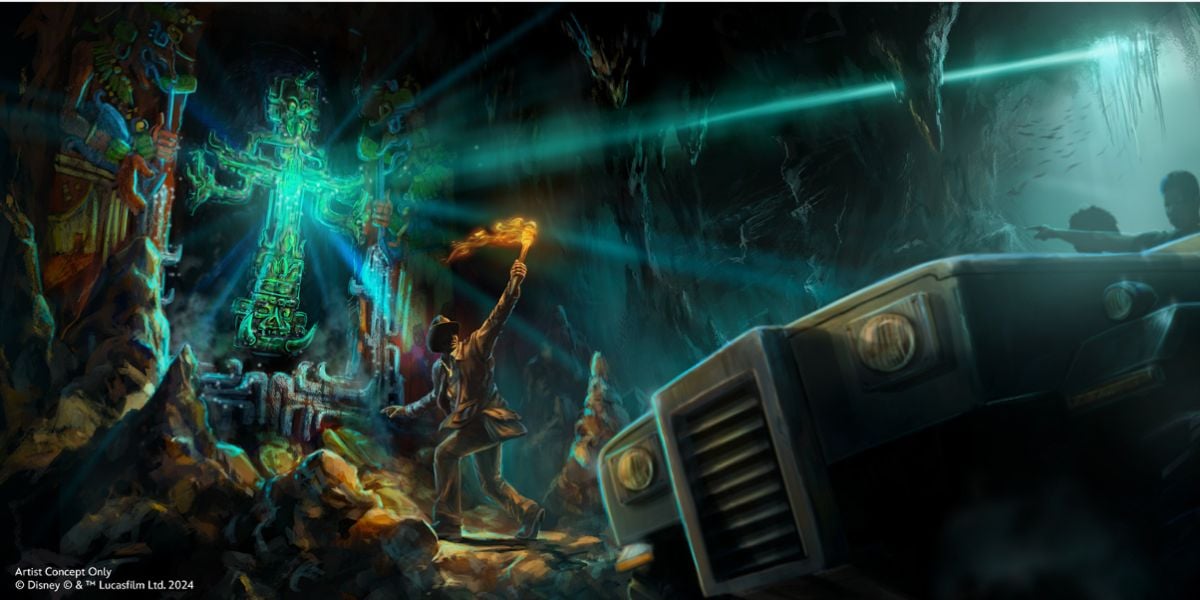
However, when Tony Baxter, the Disney Legend behind the “Mountain Range” of Imagineering (Big Thunder Mountain, Splash Mountain, and Star Tours), took the stage, the conversation quickly moved beyond 1995. In a candid discussion later detailed by Laughing Place, Baxter offered a searingly honest assessment of Disney’s theme parks. From the “missing soul” of digital attractions to a surprising revelation about a Tomorrowland staple he would personally “trash,” Baxter reminded the world why he remains the creative conscience of Walt Disney Imagineering.
The “Soul” of the Park: Physicality vs. The Digital Crutch
Tony Baxter’s career was built on the philosophy of “place-making.” Whether it was the red rocks of Bryce Canyon inspiring the geometry of Big Thunder Mountain or the crumbling, “ozonic” atmosphere of the Temple of the Forbidden Eye, his rides were designed to be tactile, three-dimensional worlds. During the session, he addressed a growing concern among fans that modern Imagineering has become overly reliant on “digital crutches.”
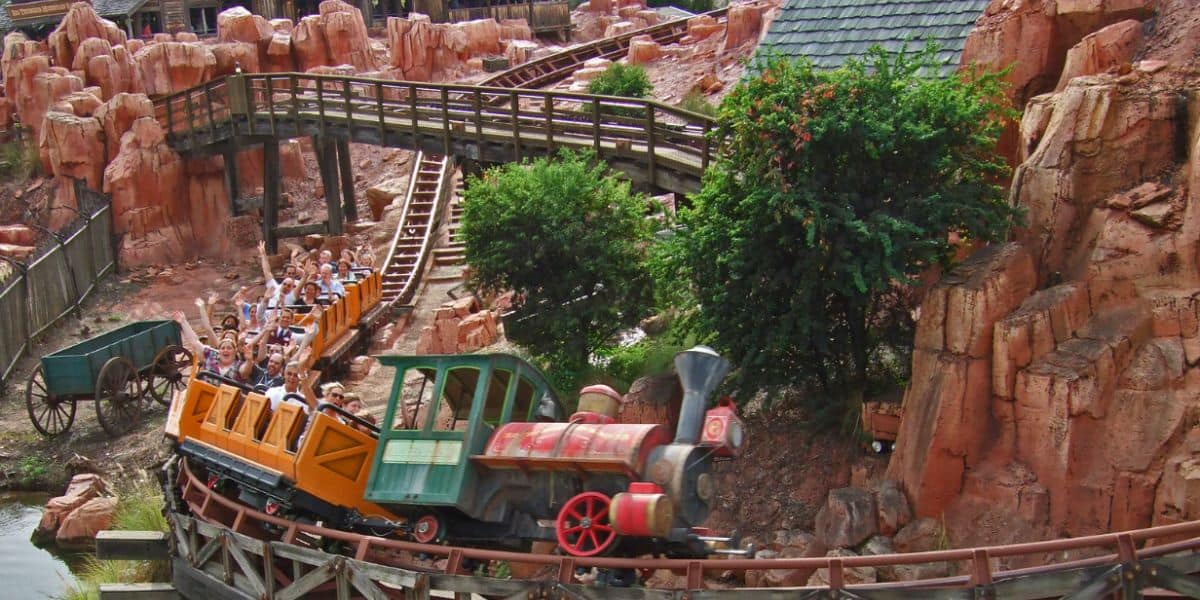
In the 2026 landscape of Disney Parks—where massive LED screens and trackless vehicles have become the new standard—Baxter emphasized that the “soul” of an attraction is found in its physical presence. He noted that a screen is fundamentally a window through which a guest looks, whereas a themed environment is a world in which a guest lives.
For Baxter, the magic isn’t in a high-resolution projection; it’s in the physical geometry of a space that allows a guest to escape reality. He argued that when an attraction relies too heavily on screens (as seen in recent additions like Remy’s Ratatouille Adventure), it loses the “weight” and permanence that define the most iconic Disney experiences.
The Bombshell: Why Tony Baxter Would “Trash” Buzz Lightyear’s Space Ranger Spin
The most electrifying moment of the presentation came when Baxter was asked which current attraction he would like to see removed to make room for something new. While many expected the creator of the original Journey Into Imagination to lament the state of EPCOT, Baxter set his sights on a Tomorrowland staple: Buzz Lightyear’s Space Ranger Spin.
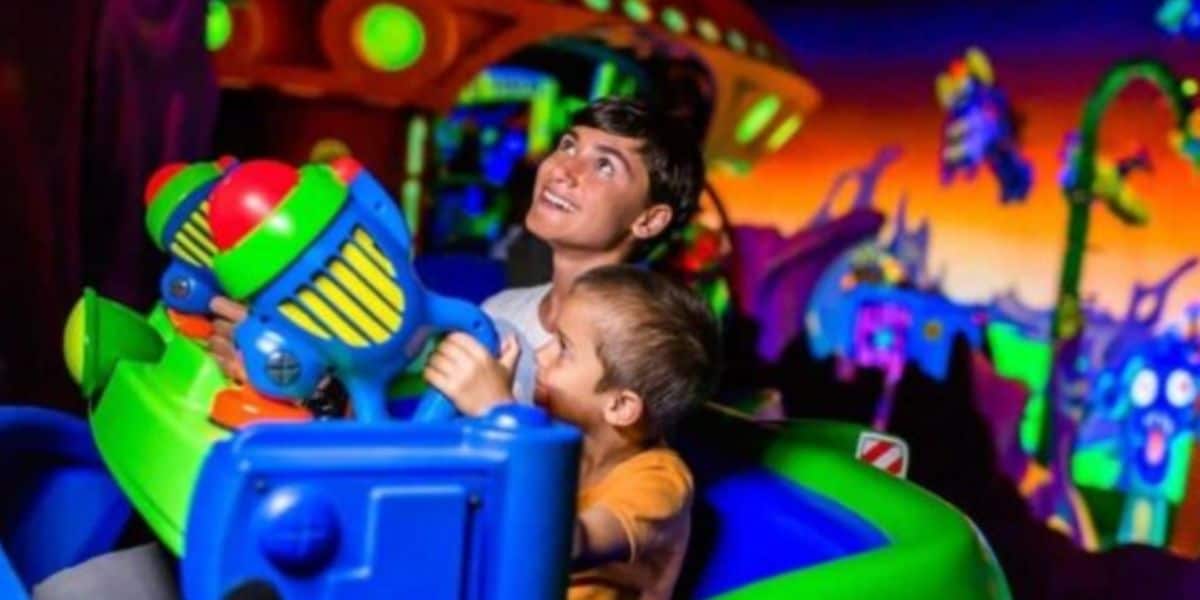
To the casual guest, Buzz Lightyear is a harmless, interactive favorite. But to Baxter, it represents a fundamental flaw in modern design. His critique of the “shooting gallery” model is rooted in two major points:
1. The “Distraction” Factor
Baxter has long argued that when a guest is given a laser gun and a digital scoreboard, they are effectively blinded to the artistry of the ride. In his view, guests stop looking at the animatronics, the theatrical lighting, and the scenic details because they are hyper-focused on finding a “red dot” on a target. By turning a storytelling medium into a competitive video game, he believes the very essence of what makes a Disney dark ride special—the immersion—is lost.
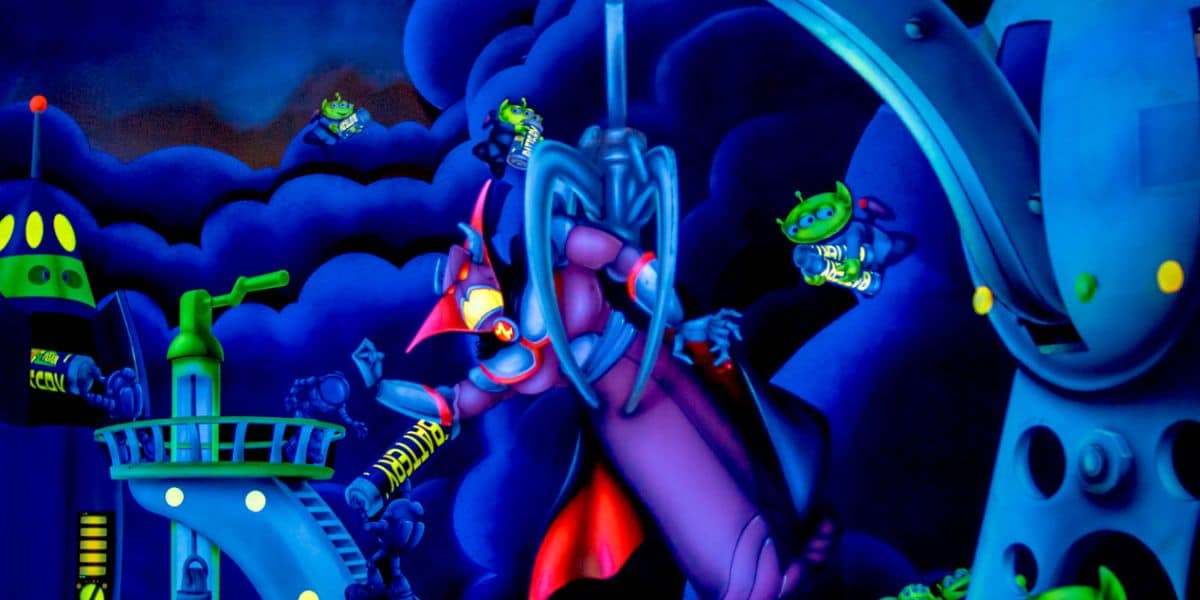
2. The Loss of Tomorrowland’s “Big, Beautiful Tomorrow.”
Thematically, Baxter feels the ride has contributed to the erosion of Tomorrowland’s identity. Buzz Lightyear’s Space Ranger Spin famously replaced Delta Dreamflight (and If You Had Wings before it). These were high-capacity Omnimovers dedicated to the wonder of travel and global exploration. Baxter believes Tomorrowland should be an optimistic, grand narrative about the mystery of the future. Replacing an immersive journey about flight with a chaotic shooting gallery based on a toy property is, in his eyes, a step backward for the park’s cohesive storytelling.
The Splash Mountain Legacy and the “Zip-A-Dee” Spirit
No appearance by Tony Baxter in 2026 would be complete without addressing his most iconic (and recently replaced) creation: Splash Mountain. With Tiana’s Bayou Adventure now the centerpiece of Frontierland, the legacy of the original flume remains a central pillar of fan discourse.
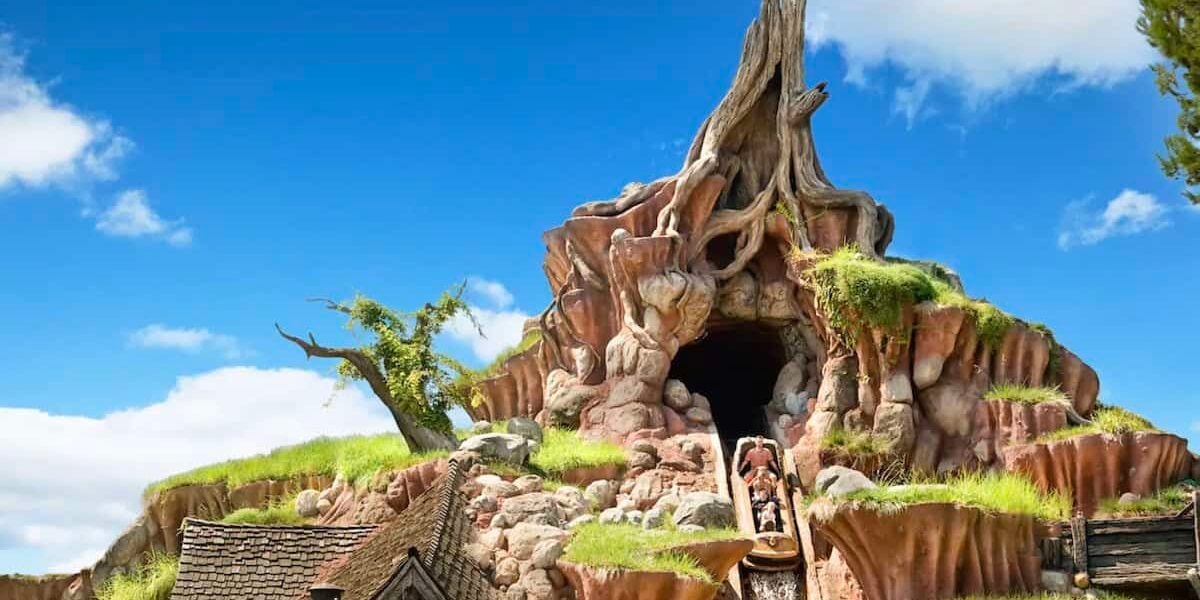
Baxter, who served as a creative advisor on the Tianarethemee, spoke about the transition with a mix of professional support and personal nostalgia. He addressed the persistent fan outcry regarding the original ride by focusing on the emotional architecture of the experience.
He reminded those attending the Walt Disney Family Museum event that Splash Mountain was born of a specific need to bring life to a quiet corner of the park, using characters that felt timeless. While he has praised the talent of the current Imagineers working on the Princess and the Frog transition, he acknowledged that the “Zip-A-Dee” spirit—the specific whimsy, the musical joy, and the physical scale of the 1989 flume—remains a “core memory” for three generations of fans.

Baxter suggested that while the physical ride may change, the concept of a grand, character-driven musical flume is a pillar that Disney should never abandon. His appearance was a reminder that while Intellectual Properties are updated, the “soul” of a ride—the element that makes a guest want to return for thirty years—is something that cannot be easily replicated by a new coat of paint or a digital screen.
The “Baxter Standard”: A Roadmap for 2027 and Beyond
Tony Baxter’s presence at the event wasn’t just a trip down memory lane; it was a roadmap for how Disney might address its current “identity crisis.” As the company plans massive “Beyond Big Thunder” and “Tropical Americas” expansions, his philosophy serves as a guardian of the company’s creative legacy.
By highlighting the flaws in “distractive” attractions like Buzz Lightyear and lamenting the loss of physical “place-making,” Baxter is challenging the new generation of Imagineers to stop chasing technological trends and start building monuments.
Conclusion: Will Disney Listen?
As the report from Laughing Place continues to circulate among the fandom, the message from Tony Baxter is clear: The magic isn’t found in a leaderboard or a high-resolution projector. It is found in the “soul” of an attraction—the physical world that allows a guest to escape reality and enter a dream. Whether or not Disney listens to the man who built the “Mountain Range” remains to be seen, but for the fans who gathered in San Francisco, Baxter’s words offer hope that the future of Imagineering might just look a little more like the past.
Do you agree with Tony Baxter? Should Buzz Lightyear be “trashed” for a grander Tomorrowland adventure? And is the “soul” truly missing from modern Disney rides? Share your thoughts in the comments below!



My favorite ride is “Tianarethemee.”
So you like boring sub standard chick power rides?
That is why the imagineers of the past are so awesome. He is so right on about this, it’s the soul of Disney is fading.
Have been a disney park goer since 1965 ( disneyland, california) . Now in Florida attending WDW. Tony is soooo right. Disney has lost its ” soul ” I bring my grandchildren now and want them to experience disney through my ” 73 yr old eyes” . Please listen to him ……….. children need to be
“in ” the experience
Tony is SO right…..AND the splash retheme SUCKS
Splash Mountain should never have been replaced. It wasn’t problematic. The ride focused on the Uncle Ramus characters not Uncle Ramus. Then Tiana was underwhelming. This all could be fixed if Disney added a more diverse mix of characters from the film and removed a few of the repetitive Tiana characters. The biggest miss is not having Dr. Facilier. He could easily be added and it could worked remaining true to the storyline. Such an easy fix that would be a home run.
I totally agree, splash mountain. The only thing I need to do was spruce. It up a little more and put it back almost like it was originally with uncle remiss singing and add more bur rabbit bur bear and bur fox.
I do not like the digital screens. To me they are a lack of imagination and definitely not worth waiting in long lines to see. They miss the mark for me. I loved Splash Mountain as I thought it was pure Disney. I could care less about the remake. I always loved the animation and animatronics. I understand what he is saying about Buzz Lightyear as there is much to see on the ride. I did enjoy using the lazer guns to score points but he is right you miss so many other things while on the ride. Disney has lost their creativeness and imagination.